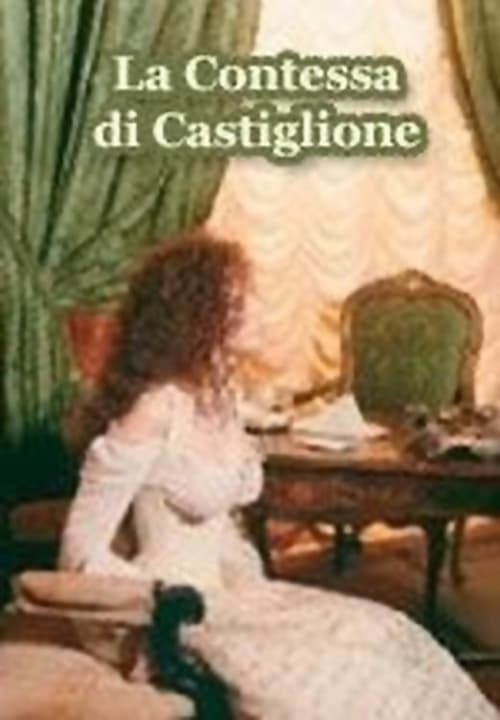
 The Countess of Castiglione2006 · TV SeriesArt Designer
A
TV Person
Andrea Crisanti
Art Designer
Born Jun 2, 1936 Died May 7, 2012 Rome, Lazio, Italy 1 database credit
Andrea Crisanti (12 June 1936, in Rome – 7 May 2012) was an Italian production designer and art director. Crisanti studied art at the Academy of Fine Arts in Rome. He began his film career as assistant set designer to Mario Garbuglia by working on the set of The Great War (1959) with Mario Monicelli. His independent debut came with Maciste in Hell (1962) by Riccardo Freda. In 1970, Crisanti met Francesco Rosi, which proved crucial to the success of his career. He later worked on Cinema Paradiso (1988) and A Pure Formality (1994) by Giuseppe Tornatore, which won a David di Donatello Award. Sicily was one of his favourite places, and he recalled the pomp of the 17-century Bourbon period for the set of The Council of Egypt (2002) by Emidio Greco. Crisanti worked on Michelangelo Antonioni's Identification of a Woman (1982), Franzo Zeffirelli's Young Toscanini (1988), Gianni Amelio's The Stolen Children (1992), and Andrei Tarkovsky's Nostalghia (1983). He taught art at Rome's Experimental Cinematography Centre from 1995 until his death, and was president of A.S.C., the Set and Costume Designers Association. Source: Article "Andrea Crisanti" from Wikipedia in English, licensed under CC-BY-SA 3.0.
Support in Rankings
Improve this page
About Andrea Crisanti
Biography and verified database information.
Andrea Crisanti (12 June 1936, in Rome – 7 May 2012) was an Italian production designer and art director.
Crisanti studied art at the Academy of Fine Arts in Rome. He began his film career as assistant set designer to Mario Garbuglia by working on the set of The Great War (1959) with Mario Monicelli. His independent debut came with Maciste in Hell (1962) by Riccardo Freda.
In 1970, Crisanti met Francesco Rosi, which proved…
Read full biography
Andrea Crisanti (12 June 1936, in Rome – 7 May 2012) was an Italian production designer and art director.
Crisanti studied art at the Academy of Fine Arts in Rome. He began his film career as assistant set designer to Mario Garbuglia by working on the set of The Great War (1959) with Mario Monicelli. His independent debut came with Maciste in Hell (1962) by Riccardo Freda.
In 1970, Crisanti met Francesco Rosi, which proved crucial to the success of his career. He later worked on Cinema Paradiso (1988) and A Pure Formality (1994) by Giuseppe Tornatore, which won a David di Donatello Award. Sicily was one of his favourite places, and he recalled the pomp of the 17-century Bourbon period for the set of The Council of Egypt (2002) by Emidio Greco. Crisanti worked on Michelangelo Antonioni's Identification of a Woman (1982), Franzo Zeffirelli's Young Toscanini (1988), Gianni Amelio's The Stolen Children (1992), and Andrei Tarkovsky's Nostalghia (1983).
He taught art at Rome's Experimental Cinematography Centre from 1995 until his death, and was president of A.S.C., the Set and Costume Designers Association.
Source: Article "Andrea Crisanti" from Wikipedia in English, licensed under CC-BY-SA 3.0.
- Full name
- Andrea Crisanti
- Birthday
- Jun 2, 1936
- Death date
- May 7, 2012
- Birthplace
- Rome, Lazio, Italy
- Occupation
- Art Designer
TV Shows & Filmography
1 unique database title.
The Countess of Castiglione2006 · TV SeriesArt DesignerPhotos
Database media gallery.
▧No additional gallery photos
The database currently contains only the primary portrait, so it is not duplicated here.
Discussions
Community posts linked directly to Andrea Crisanti.
Sign in to start or join the discussion.Login to Discuss
No discussions are linked to this person yet.
More Information
External references and contribution tools.
Contribute
Suggest sourced corrections to biography, personal facts, external IDs, or the primary photo.
Improve this page →